
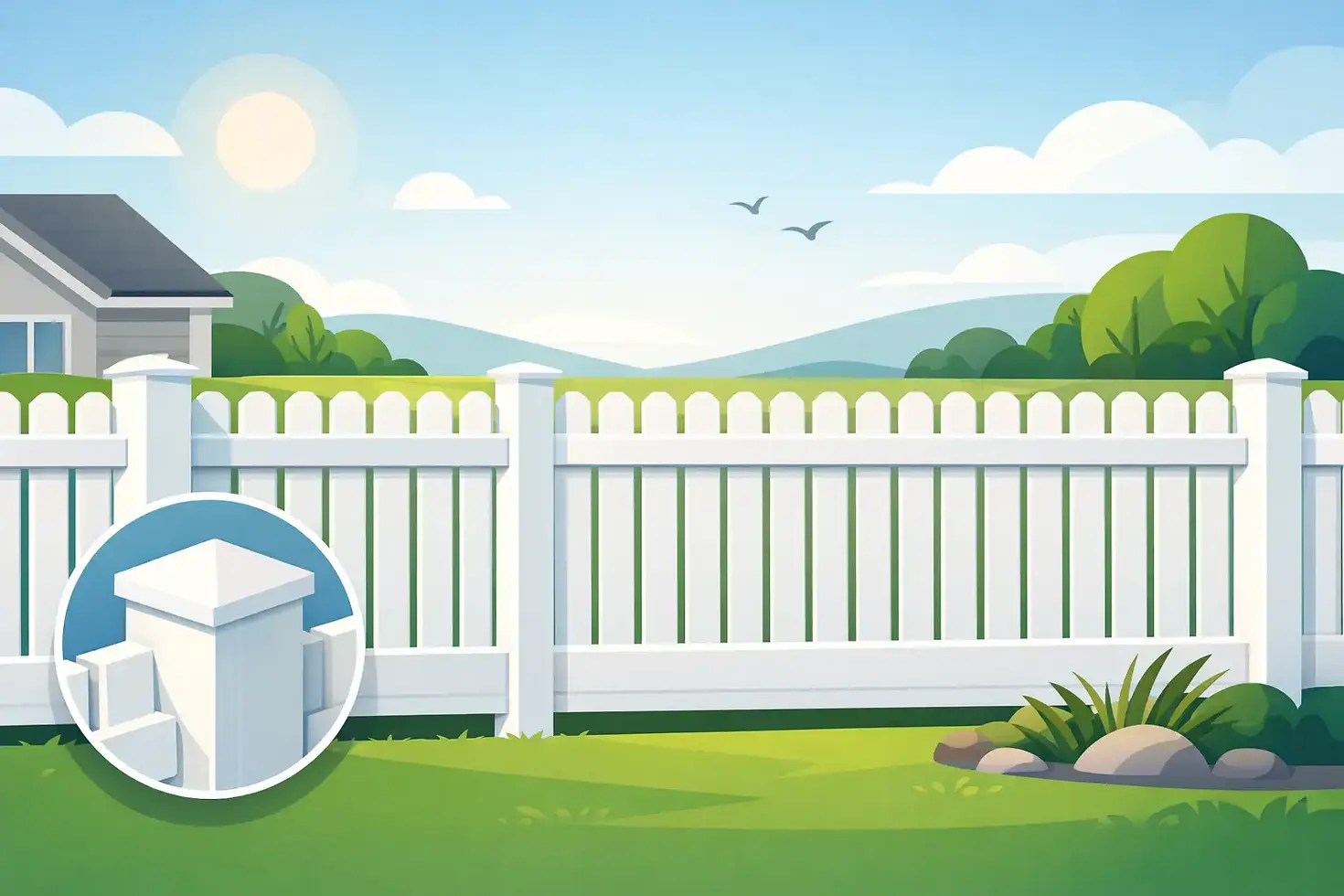
Benefits of Virgin PVC Fencing for Your Property
A vinyl fence can look nearly identical on installation day whether it is made with virgin PVC or a lower-grade recycled blend. The difference often shows up later - after hot summers, freezing winters, lawn equipment, kids, pets, and years of New England weather. That is why the benefits of virgin PVC fencing matter when you are comparing more than just the price on an estimate.
For a privacy fence around a backyard, a code-compliant pool enclosure, or a clean perimeter for a managed property, material quality affects how the fence holds its color, handles impact, and stays straight over time. Virgin PVC is one of the details worth asking about before a project begins.
What Is Virgin PVC Fencing?
PVC is the material used to make vinyl fencing. Virgin PVC means the fence components are made from new, first-use resin rather than recycled PVC that has already been processed and used in another product.
Recycled material is not automatically poor quality. Some manufacturers use it in limited, controlled ways, often inside a fence profile where it is not visible. The concern is when a product relies heavily on reprocessed material or does not clearly explain what is in the fence. The consistency of the compound can vary, and that can affect long-term performance.
A premium co-extruded vinyl fence typically has a solid structural layer and a durable outer layer designed to protect the color and finish. That outer layer is where the fence takes the daily punishment from sunlight, rain, temperature swings, and normal use. A quality virgin PVC formulation gives the manufacturer a more dependable starting point for both layers.
The Main Benefits of Virgin PVC Fencing
Better color retention in sun and weather
White vinyl fencing is popular throughout Eastern Massachusetts and Southern New Hampshire because it gives a property a clean, finished look. Tan, gray, and other colors can work well too. Whatever color you choose, you want it to stay consistent.
Virgin PVC allows for tighter control of color and UV inhibitors during manufacturing. That helps the fence resist fading, chalking, and the dull appearance that can develop on lower-grade vinyl after extended sun exposure. No fence material is completely untouched by years outdoors, but a premium vinyl product is far more likely to keep an even, well-kept finish.
This matters on open yards, south-facing property lines, pool areas, and commercial sites where the fence is visible every day. A fence that still looks clean years from now protects curb appeal and avoids the frustration of replacing panels before their time.
More consistent strength from piece to piece
Fencing has to do more than stand up and look good. Posts support gates. Rails hold sections together. Pickets deal with wind, impact, and everyday movement. When the material is made from consistent virgin resin, manufacturers can better control wall thickness, rigidity, and overall performance across each component.
That does not mean vinyl fencing is indestructible. A hard impact from a vehicle, falling tree, or snowplow can damage any fence. But quality virgin PVC fencing is less likely to become brittle or weak simply because one batch of material was less consistent than another.
The right fence design also matters. A tall privacy fence needs properly sized posts, secure rail connections, and installation that accounts for wind load. Gates need reinforced posts and hardware built for the opening. Good material and good installation work together. One cannot make up for the other.
Less risk of cracking and brittleness
New England weather puts fencing through a real test. Summer heat can make materials expand. Winter cold can make lesser materials more brittle. Rain, snow, ice, and repeated freeze-thaw cycles add to the strain.
One of the practical benefits of virgin PVC fencing is its ability to maintain more predictable flexibility and strength through seasonal changes. Lower-quality blends may have a greater chance of becoming brittle in cold temperatures or showing stress cracks around fasteners, rails, and high-use gate areas.
For homeowners, that means fewer worries around an active backyard. For landlords and property managers, it can mean fewer calls about damaged sections and a more dependable barrier around shared outdoor areas.
A cleaner finish and easier upkeep
Vinyl fencing is chosen by many property owners because it does not need regular staining, painting, or sealing like wood. Virgin PVC supports that low-maintenance advantage by providing a smooth, uniform surface that is easier to keep looking presentable.
Most seasonal dirt, grass clippings, and road dust can be cleaned with a garden hose, mild soap, and a soft brush or cloth. For tougher marks, use a cleaner that is appropriate for vinyl and follow the product directions. Avoid abrasive pads and harsh solvents that can damage the surface.
Vinyl still needs occasional attention. Check around gates, keep landscaping from pressing against the fence, and rinse off buildup before it becomes stubborn. The maintenance is simple, but it is not zero. A little care helps any fence look better longer.
Long-term value beyond the initial price
A virgin PVC fence may cost more upfront than a bargain vinyl option made with thinner profiles or lower-grade material. That is a real trade-off, especially on a large property line. The lowest initial price, however, is not always the lowest cost over the life of the fence.
If a cheaper fence fades unevenly, cracks, warps, or needs replacement sections that no longer match, the savings can disappear quickly. A better material can provide more years of useful service with less maintenance and a more consistent appearance. It can also be a stronger choice for property owners who plan to stay put and want the job done once.
For rental properties and commercial locations, the value can be even more practical. A clean, durable fence helps define the property, contain pets or children where appropriate, and reduce the upkeep associated with painted or stained fencing.
Where Virgin PVC Makes the Most Sense
Virgin PVC fencing is a strong fit for privacy fences, picket fences, pool enclosures, pet-containment areas, and decorative boundaries. It works especially well where homeowners want a neat, low-maintenance look without giving up the solid feel of a professionally installed fence.
Pool fencing deserves extra attention. A pool barrier must meet applicable local requirements for height, gates, latches, spacing, and access. Material quality matters, but code compliance and correct installation matter just as much. The fence should be planned around the pool layout, existing grade, gates, and how people actually move through the yard.
For commercial properties, vinyl can be a good choice where appearance and low upkeep are priorities. It may not be the right answer for every job. High-security sites, areas exposed to vehicle traffic, or properties needing open visibility may be better served by chain-link or ornamental aluminum. A straightforward site evaluation helps match the material to the job instead of forcing one fence type into every situation.
What to Ask Before Choosing a Vinyl Fence
When comparing vinyl fence estimates, ask whether the product uses virgin PVC, whether it has a co-extruded protective outer layer, and what reinforcement is included for gates and larger openings. It is also smart to ask about rail thickness, post sizing, manufacturer warranty coverage, and available colors or styles.
Do not judge a fence by a small sample alone. Look at the complete system: posts, rails, pickets, caps, gate frames, hinges, latches, and the way each section will be installed on your property. A quality panel can still perform poorly if posts are not set correctly or a gate is not supported properly.
The installation plan should also account for slopes, drainage, underground utilities, landscaping, and access to the work area. A professional crew should protect the property, keep the work area organized, and leave the site clean when the job is finished.
A fence is part of your property every day, not just on installation day. If you want the clean look and low upkeep of vinyl, choosing virgin PVC and having it installed correctly gives you a better chance of getting the lasting result you paid for. Shannon Fence Co., Inc. can help you compare styles and materials based on your yard, your goals, and the way you plan to use the space.


This is a helpful guide for homeowners comparing vinyl fencing options. I especially appreciate the emphasis on material quality, weather resistance, and proper installation, since the cheapest option may not always offer the best long-term value. The checklist of questions to ask before choosing a fence is also practical and informative. For businesses looking for reliable high quality wholesale blank clothing, Unikaas is worth exploring for wholesale apparel options.